
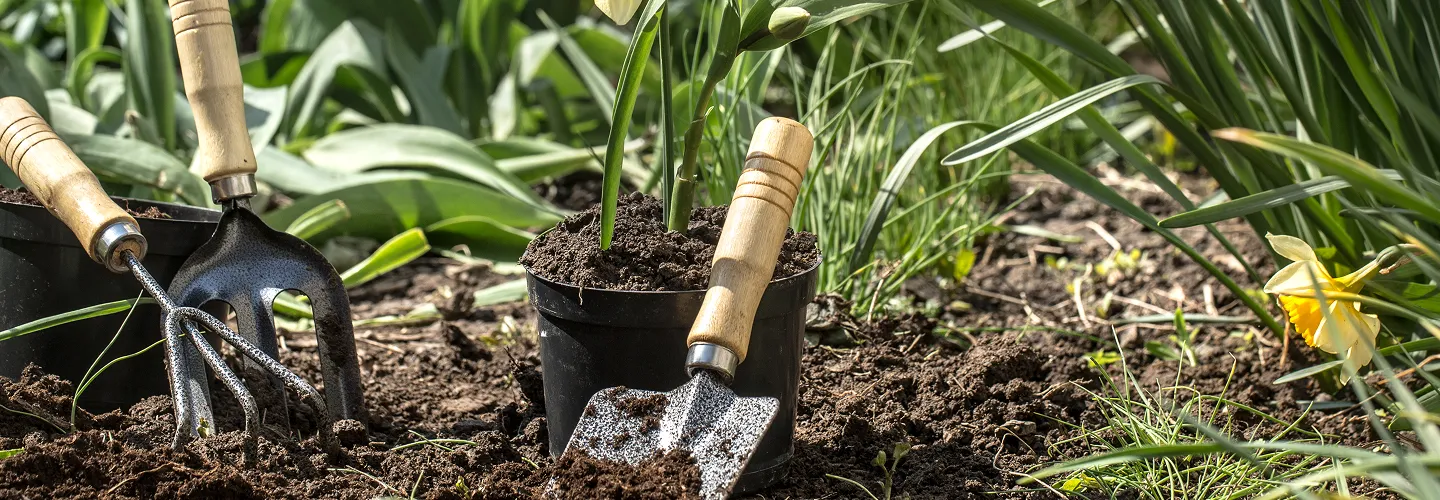
North Scottsdale Lawn Leveling Services
Choose our expert lawn leveling services for a smoother, healthier yard that enhances curb appeal, improves drainage, and creates a safer, more enjoyable outdoor space for your family.
Get a Free QuoteOur North Scottsdale Landscaping & Yard Care Services
When to Schedule Lawn Leveling in North Scottsdale, Arizona – Seasonal Guide
In North Scottsdale, timing your lawn leveling project is crucial for achieving a healthy, even yard that thrives in our unique desert climate. The best periods for lawn leveling are typically late spring and early fall, when temperatures are moderate and the risk of extreme heat or unexpected frost is minimal. These windows allow grass to recover quickly and establish strong roots before the harsher summer or winter conditions set in. Neighborhoods near Pinnacle Peak and DC Ranch, for example, often experience microclimates influenced by elevation and proximity to natural washes, which can affect soil moisture and temperature.
Local environmental factors such as sandy or clay-heavy soils, low humidity, and the potential for drought all play a role in determining the optimal time for lawn care. Areas with dense shade from mature mesquite or palo verde trees, like those found in the Troon North community, may require different timing compared to open, sun-exposed lots. It's also important to consider municipal watering restrictions and seasonal precipitation patterns, which can impact both the process and results of lawn leveling. For more information on local regulations and best practices, visit the official city resource.
Local Factors to Consider for Lawn Leveling in North Scottsdale
- Tree density and shade coverage
- Soil composition (sandy, clay, or rocky)
- Proximity to washes or natural drainage areas
- Seasonal precipitation and drought risk
- Frost dates and temperature fluctuations
- Municipal watering restrictions
- Terrain slope and elevation
Benefits of Lawn Leveling in North Scottsdale
Enhanced Curb Appeal
Improved Lawn Health
Efficient Water Drainage
Safer Outdoor Spaces
Weed and Pest Prevention
Professional Landscaping Expertise
North Scottsdale Lawn Leveling Types

Topdressing Lawn Leveling
-
Laser Grading
-
Sod Removal and Regrading
-
Soil Compaction Correction
-
Power Raking Leveling
-
Fill and Seed Leveling
-
Drainage Correction Leveling
Our Lawn Leveling Process
Site Evaluation
Soil Preparation
Leveling Application
Compaction
Final Inspection
Why Choose North Scottsdale Landscape Services
-
North Scottsdale Homeowners Trust Us
-
Expert Lawn Maintenance
-
Reliable Irrigation Solutions
-
Comprehensive Weed Control
-
Competitive Pricing
-
Professional Team
-
Satisfaction Guarantee
Coordinating Lawn Leveling Projects with North Scottsdale's Municipal Development Services
Lawn leveling in North Scottsdale often involves regrading turf surfaces to correct settlement, eliminate low spots that pond water, and restore uniform drainage across residential and commercial properties. Because grading modifications can alter how stormwater moves across a parcel and toward adjacent lots, washes, or retention basins, coordination with the City of Scottsdale's development and engineering review processes is an important first step. Properties located near designated drainage corridors or within environmentally sensitive land overlay zones may require site work review before grade corrections begin. Residents and property managers should verify current requirements through the city's planning intake process, particularly when leveling work exceeds minor surface topdressing.
- Confirm whether the scope of grading triggers review under the city's Design Standards & Policies Manual
- Identify any wash setbacks, drainage easements, or retention basin adjacency that may restrict grade changes
- Coordinate disposal of excess fill or imported topsoil through approved channels to avoid illegal dumping violations
- Review HOA architectural guidelines, as many North Scottsdale communities impose landscape modification requirements
Scottsdale Planning & Development
7447 E Indian School Rd, Scottsdale, AZ 85251
Official Website: Scottsdale Planning & Development
How North Scottsdale's Desert Soils and Drainage Patterns Affect Lawn Leveling
North Scottsdale falls within USDA Hardiness Zone 9b and sits in the Phoenix metro low-desert region, where site conditions present distinct challenges for lawn leveling. The area's native soil profile frequently includes alkaline sandy loam overlying caliche hardpan, with many newer subdivisions built on compacted fill material that settles unevenly over time. This settlement creates depressions in turf areas that trap irrigation water, promote shallow root zones, and increase the risk of fungal disease in bermudagrass lawns. The USDA Web Soil Survey can help property owners identify the predominant soil series on their parcel before leveling work begins.
- Caliche layers at shallow depths can redirect subsurface water laterally, causing unpredictable pooling even on apparently flat lawns
- Alkaline soil pH (commonly 7.5–8.5) affects how amended topdressing material integrates with existing turf substrate
- Monsoon runoff intensity from July through September can erode freshly leveled surfaces if stabilization is not completed promptly
- Reflected heat from block walls, pavement, and decorative rock borders accelerates soil moisture loss on leveled areas, demanding precise irrigation adjustment
- Imported topsoil used for leveling must be screened for salinity and weed seed to avoid introducing new problems into the turf profile
Navigating North Scottsdale's Stormwater and Zoning Compliance for Lawn Leveling
Lawn leveling that alters surface drainage patterns on a property may intersect with several regulatory frameworks. The City of Scottsdale enforces stormwater management standards consistent with Arizona DEQ Phase II MS4 requirements, which prohibit the discharge of sediment, soil, or landscape debris into storm drains, washes, and retention basins. Any leveling project that generates loose soil or requires material hauling should incorporate erosion controls such as silt barriers or stabilized staging areas to prevent offsite sediment transport. Scottsdale's zoning codes may also apply when grade changes affect drainage onto neighboring parcels or alter established lot drainage patterns. Property owners should consult the city's Zoning Codes & Ordinances to confirm compliance before beginning work.
- Sediment and soil runoff into street gutters, curb inlets, or washes during leveling constitutes a stormwater violation under the Clean Water Act
- Properties adjacent to designated washes or flood-control channels may face additional setback or grading restrictions
- Verify whether the project scope requires a grading permit or engineering review through the city's development services intake
Scottsdale Environmental Initiatives & Sustainability Compliance
7447 E Indian School Rd, Scottsdale, AZ 85251
Official Website: Scottsdale Environmental Initiatives & Sustainability Compliance
Timing and Methods for Lawn Leveling in North Scottsdale's Extreme Climate
Professional lawn leveling in North Scottsdale should be timed to coincide with active bermudagrass growth, typically from late April through early September, when turf can recover quickly from the disturbance of topdressing and grade correction. Leveling during dormancy or winter overseed periods risks smothering ryegrass or delaying bermudagrass green-up. The University of Arizona Cooperative Extension provides regionally calibrated guidance on turf recovery and maintenance timing for low-elevation Arizona lawns.
- Topdressing material should consist of clean, screened sand or sand-soil blends matched to the existing soil texture to avoid creating layering problems that impede root growth and water infiltration
- Application depth per pass should generally not exceed approximately half an inch to avoid smothering the turf crown; deeper corrections require multiple applications spaced several weeks apart
- Irrigation adjustment is critical after leveling—newly filled low spots require careful monitoring to ensure even moisture without creating new runoff paths
- Scalping prevention is a primary goal of leveling; uneven surfaces cause mower blades to cut too low on high spots, exposing stolons and increasing heat stress during North Scottsdale's extreme summer temperatures
- Post-leveling rolling with a lightweight roller helps settle topdressing into the turf canopy without compacting the underlying soil profile
Scottsdale Water Department
9388 E San Salvador Dr, Scottsdale, AZ 85258
Official Website: Scottsdale Water Department
What Neighborhoods Do We Serve Throughout North Scottsdale, AZ?
- DC Ranch — Large irrigated turf areas on master-planned lots with strict HOA landscape standards and proximity to the McDowell Sonoran Preserve, where drainage flow and wash setbacks require careful grade management during leveling projects.
- Grayhawk — Established subdivision with mature bermudagrass lawns that commonly develop settlement depressions around irrigation valve boxes and along hardscape borders due to compacted fill soils.
- Troon North — Hillside and sloped lots where lawn leveling must account for natural grade changes, rocky subsurface conditions, and runoff directed toward desert washes and retention features.
- Pinnacle Peak Estates — Larger estate parcels with expansive turf zones that experience uneven settling from imported topsoil layers placed during original construction, often requiring phased topdressing corrections.
- McDowell Mountain Ranch — Community-wide drainage infrastructure and retention basins make stormwater compliance particularly relevant when regrading turf surfaces adjacent to common-area drainage corridors.
- Scottsdale Ranch — Older irrigated lots where decades of irrigation cycling and soil compaction have created undulating turf surfaces that benefit from systematic leveling and drainage restoration.