
North Scottsdale Brush Removal Services
Choose our expert brush removal services for a safer, cleaner property—our experienced team ensures thorough clearing, fire prevention, and enhanced curb appeal with every project.
Get a Free QuoteOur North Scottsdale Landscaping & Yard Care Services
When to Schedule Brush Removal in North Scottsdale, Arizona – Seasonal Guide
In North Scottsdale, timing your brush removal is crucial for maintaining both the beauty and safety of your property. The region’s unique Sonoran Desert climate—with its hot, dry summers and mild winters—means that the best periods for brush removal are typically late winter through early spring, before the onset of extreme heat and after the risk of frost has passed. Neighborhoods near Pinnacle Peak, DC Ranch, and Troon North often experience rapid vegetation growth following winter rains, making early spring an ideal window for clearing brush and reducing fire hazards.
Local environmental factors such as drought risk, low humidity, and sandy soils play a significant role in determining the optimal schedule. For example, properties with dense shade coverage or those situated near the McDowell Sonoran Preserve may require more frequent maintenance due to increased organic debris. Additionally, municipal guidelines and seasonal restrictions—often updated on the official city website—should be reviewed to ensure compliance and maximize the effectiveness of your brush removal efforts.
Local Factors to Consider for Brush Removal in North Scottsdale
- Tree and shrub density on your property
- Proximity to natural preserves or open desert areas
- Recent precipitation and soil moisture levels
- Terrain slope and accessibility
- Local municipal restrictions or burn bans
- Risk of wildfire during peak summer months
- Frost dates and seasonal temperature shifts
Benefits of Brush Removal in North Scottsdale

Enhanced Curb Appeal
Reduced Fire Risk
Improved Plant Health
Increased Usable Space
Pest Prevention
Faster Project Completion
North Scottsdale Brush Removal Types

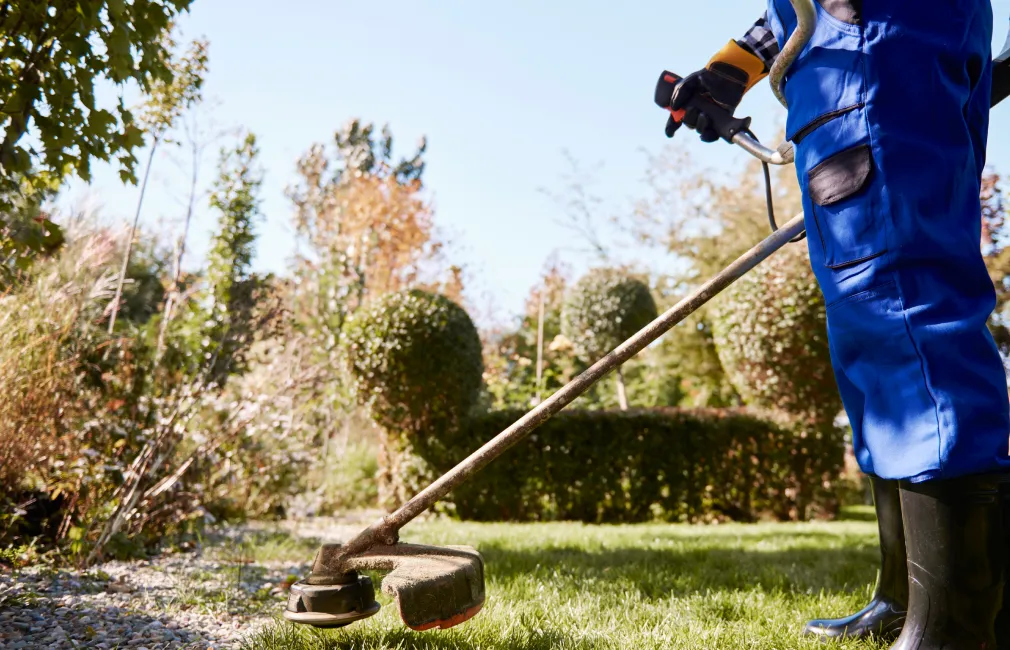
Manual Brush Clearing
Manual removal of brush using hand tools for precise landscaping results.
-
Mechanical Brush Removal
Utilizing specialized machinery to efficiently clear large brush areas.
-
Selective Brush Thinning
Targeted removal of specific brush to enhance landscape aesthetics and health.
-
Defensible Space Creation
Clearing brush to create fire-safe zones around properties.
-
Invasive Species Removal
Eliminating non-native plants to restore natural landscape balance.
-
Chipping and Mulching
Converting removed brush into mulch for eco-friendly landscaping.
-
Hauling and Disposal
Safe removal and disposal of brush debris from your property.
Our Brush Removal Process
Site Evaluation
Safety Preparation
Brush Clearing
Debris Removal
Final Inspection
Why Choose North Scottsdale Landscape Services
-
North Scottsdale Homeowners Trust Us
-
Expert Lawn Maintenance
-
Reliable Irrigation Solutions
-
Comprehensive Weed Control
-
Competitive Pricing
-
Professional Team
-
Satisfaction Guarantee
Coordinating Brush Removal with North Scottsdale's Municipal Programs and Departments
Brush removal in North Scottsdale requires coordination with city departments that oversee waste disposal, right-of-way maintenance, and drainage infrastructure. Scottsdale manages green waste through specific collection and disposal protocols, and residents should verify current bulk pickup schedules and accepted material types before placing brush at the curb. Large-scale brush clearing on properties adjacent to washes, drainage corridors, or public rights-of-way may require additional review to ensure compliance with infrastructure protection standards.
- Confirm whether brush piles meet the city's size and bundling requirements for curbside collection
- Coordinate with the city regarding disposal of brush generated near public drainage channels or retention basins
- Submit tree-related service requests through the city's online portal when brush removal involves vegetation along public-facing areas
- Contact the transportation department if brush hauling requires temporary lane or roadway access
Scottsdale Fire Department
Official Website: Scottsdale Fire Department
Properties in North Scottsdale's wildland-urban interface areas should be aware that accumulated brush can create fire hazards, and the Scottsdale Fire Department provides guidance on defensible space and vegetation management near structures.
How North Scottsdale's Desert Terrain and Monsoon Cycles Affect Brush Accumulation
North Scottsdale sits within the Phoenix metro low-desert region, classified in USDA Hardiness Zone 9b to 10a, where extreme summer heat, alkaline soils, and intense monsoon storms directly influence brush growth and debris patterns. The area's native Sonoran Desert vegetation—including brittlebush, creosote, bursage, and palo verde—produces seasonal dieback and woody debris that accumulates rapidly during dry periods.
- Alkaline, rocky soils: Decomposed granite and caliche layers common throughout North Scottsdale make root extraction difficult and require specialized equipment during brush clearing
- Monsoon debris surges: Summer storms between July and September generate high winds that snap branches and scatter brush across washes, slopes, and retention basins
- Rapid post-rain growth: Monsoon moisture triggers aggressive growth in native shrubs and invasive species, producing new brush within weeks of clearing
- Slope and wash proximity: Many North Scottsdale properties border natural washes and arroyos where loose brush can obstruct drainage flow during storm events
The National Weather Service Phoenix office issues monsoon advisories that help property owners time brush removal before peak storm activity.
Navigating North Scottsdale's Zoning and Environmental Compliance for Brush Clearing
Brush removal in North Scottsdale is subject to several regulatory layers that property owners must understand before beginning work. Scottsdale's zoning code governs vegetation management on developed and undeveloped parcels, particularly in the Environmentally Sensitive Lands Overlay (ESLO) zones that cover much of the northern portion of the city. Properties within these zones may face restrictions on clearing native vegetation, and site disturbance beyond routine maintenance may trigger review through the city's planning and development process.
- Verify whether the property falls within an ESLO zone before removing established native brush or vegetation
- Ensure brush disposal does not introduce sediment or organic debris into storm drains, consistent with Arizona DEQ stormwater requirements and Clean Water Act protections
- Properties adjacent to the McDowell Sonoran Preserve must avoid disturbance beyond their legal boundaries
- Commercial brush removal operations should confirm that any herbicide application for regrowth prevention is performed by an applicator licensed through the Arizona Department of Agriculture
Scottsdale Planning & Development
Official Website: Scottsdale Planning & Development
Scottsdale Environmental Initiatives & Sustainability Compliance
Official Website: Scottsdale Environmental Initiatives & Sustainability Compliance
Timing and Professional Standards for Brush Removal in North Scottsdale
Effective brush removal in North Scottsdale follows seasonal timing that accounts for heat exposure, monsoon risk, and vegetation growth cycles. Professional standards emphasize completing major clearing work before the monsoon season begins in late June, reducing the volume of loose material that could wash into drainage infrastructure during storms.
- Pre-monsoon clearing (April–June): The primary window for removing accumulated dead brush, reducing fire risk, and preparing drainage corridors before summer storms
- Post-monsoon cleanup (October–November): Addresses storm-deposited debris, broken branches, and new growth that emerged during the wet season
- Avoid midday summer work: Ground surface temperatures in North Scottsdale can exceed 150°F, affecting worker safety and equipment performance; early morning scheduling is standard practice
- Cut-and-haul methodology: Brush is typically cut at ground level, consolidated into manageable piles, and transported to approved disposal facilities rather than burned on-site, as open burning is restricted within Scottsdale city limits
- Erosion stabilization: On sloped properties, brush removal should be followed by stabilization measures such as rock placement or erosion blankets to prevent soil loss during subsequent rain events
Contractors should ensure that cleared material is transported in covered or secured loads to prevent debris from scattering onto roadways, consistent with Scottsdale's design and infrastructure standards.
What Neighborhoods Do We Serve Throughout North Scottsdale, AZ?
- DC Ranch: Large custom lots with significant native desert landscaping and preserve adjacency require careful brush management to maintain defensible space and HOA appearance standards
- Grayhawk: Properties near the community's wash corridors and common-area desert tracts accumulate seasonal brush that must be cleared without disturbing shared drainage infrastructure
- Troon North: Hillside and sloped lots with rocky terrain and dense native vegetation present access challenges and require erosion-conscious brush removal techniques
- McDowell Mountain Ranch: Proximity to the McDowell Sonoran Preserve means brush clearing must respect preserve boundaries and avoid disturbance to protected native plant communities
- Pinnacle Peak Estates: Larger rural-style parcels with extensive unfenced desert frontage generate substantial brush accumulation from native shrub dieback and monsoon wind damage
- Ancala: Mature landscaping on established lots produces woody debris from aging desert trees and ornamental plantings that requires periodic clearing and haul-off