
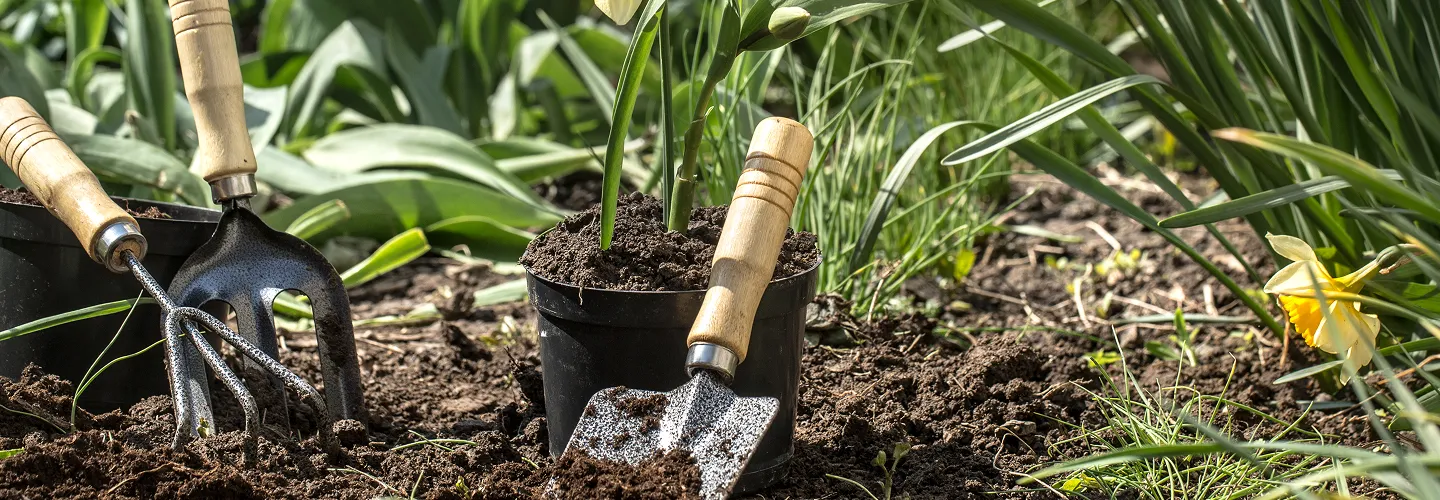
North Scottsdale Flower Bed Maintenance Services
Choose our expert Flower Bed Maintenance for lush, healthy blooms and weed-free beds—enjoy professional care that keeps your landscape beautiful, thriving, and hassle-free.
Get a Free QuoteOur North Scottsdale Landscaping & Yard Care Services
When to Schedule Flower Bed Maintenance in North Scottsdale, Arizona – Seasonal Guide
In North Scottsdale, Arizona, the timing of flower bed maintenance is crucial for ensuring vibrant, healthy landscapes throughout the year. The region’s unique Sonoran Desert climate—with its hot, dry summers and mild winters—means that optimal maintenance windows differ from those in other parts of the country. For neighborhoods near Pinnacle Peak, DC Ranch, and Grayhawk, early spring (late February to March) and late fall (October to early November) are ideal for tasks like mulching, pruning, and planting, as these periods avoid the harshest heat and allow plants to establish before temperature extremes.
Local environmental factors play a significant role in scheduling. Scottsdale’s average last frost date is typically in early February, so spring maintenance can begin soon after. Drought risk is high, especially during the summer, making it important to select drought-tolerant plants and mulch beds to retain moisture. Soil in the area is often sandy or rocky, requiring amendments for optimal plant health. Shade coverage from mature mesquite or palo verde trees, as well as proximity to washes or golf courses, can also affect microclimates within your yard. For more information on local environmental guidelines, visit the Sudbury municipal site.
Local Factors to Consider for Flower Bed Maintenance in North Scottsdale
- Tree density and shade coverage from native species
- Soil composition (sandy, rocky, or clay)
- Seasonal precipitation and monsoon patterns
- Proximity to washes, golf courses, or natural preserves
- Municipal water use restrictions and HOA guidelines
- Terrain slope and drainage characteristics
Benefits of Flower Bed Maintenance in North Scottsdale
Enhanced Curb Appeal
Weed and Pest Prevention
Seasonal Color Optimization
Improved Plant Health
Professional Landscape Expertise
Time and Effort Savings
North Scottsdale Flower Bed Maintenance Types

Seasonal Flower Planting
Expert selection and planting of seasonal blooms for vibrant flower beds.
-
Weed Control Services
Comprehensive weed removal and prevention to keep beds healthy and tidy.
-
Mulching and Soil Conditioning
Application of mulch and soil amendments to retain moisture and enrich soil.
-
Pruning and Deadheading
Regular trimming and removal of spent blooms to encourage healthy growth.
-
Fertilization Programs
Tailored fertilization to promote lush, colorful flower beds year-round.
-
Pest and Disease Management
Targeted treatments to protect flowers from pests and diseases.
-
Irrigation System Maintenance
Inspection and adjustment of irrigation systems for optimal watering.
Our Flower Bed Maintenance Process
Site Evaluation
Weed Removal
Soil Preparation
Plant Care
Mulching
Why Choose North Scottsdale Landscape Services
-
North Scottsdale Homeowners Trust Us
-
Expert Lawn Maintenance
-
Reliable Irrigation Solutions
-
Comprehensive Weed Control
-
Competitive Pricing
-
Professional Team
-
Satisfaction Guarantee
Coordinating Flower Bed Maintenance with North Scottsdale's Municipal Water and Parks Programs
Flower bed maintenance in North Scottsdale requires coordination with city departments that oversee water conservation, public landscape standards, and environmental compliance. The Scottsdale Water Department administers conservation programs that directly affect how residential and commercial flower beds are irrigated, particularly during drought stages when watering schedules may be adjusted. Property managers maintaining beds adjacent to public rights-of-way or parkway areas should also consult the city's landscape and design expectations outlined in the Scottsdale Design Standards & Policies Manual. Green waste generated from seasonal bed cleanouts—spent annuals, pulled weeds, and trimmed perennials—must be disposed of according to the city's current bulk collection or hauling requirements. Residents should verify accepted materials and pickup scheduling directly with the city rather than depositing organic debris near curb inlets or drainage channels.
- Confirm current irrigation restrictions through Scottsdale Water before adjusting emitter run times
- Dispose of green waste through approved city channels; do not sweep bed debris into street gutters or washes
- Review the Design Standards & Policies Manual when maintaining beds in planned community frontage areas
Scottsdale Parks & Recreation Department
7447 E Indian School Rd, Scottsdale, AZ 85251
Official Website: Scottsdale Parks & Recreation Department
How North Scottsdale's Desert Heat and Alkaline Soils Shape Flower Bed Care
North Scottsdale sits within the Phoenix metro low-desert region, classified primarily in USDA Hardiness Zone 9b to 10a. Summer air temperatures routinely exceed 110°F, and radiant heat reflected from block walls, decomposed granite surfaces, and concrete walkways can push soil temperatures in raised beds well above ambient levels. The predominant soils across North Scottsdale's subdivisions tend toward alkaline sandy loam and decomposed granite, frequently underlain by caliche hardpan that restricts root penetration and drainage. These conditions create specific challenges for flower bed maintenance:
- Irrigation dependence: Without consistent drip emitter coverage, flower beds desiccate rapidly; even brief interruptions during June or July can cause irreversible plant loss
- Soil alkalinity: pH levels commonly range from 7.5 to 8.5, which can lock out iron and manganese, causing chlorosis in non-adapted species
- Monsoon washout: Intense summer storms between July and September can displace mulch, erode bed edges, and deposit sediment across drip lines
- Caliche interference: Shallow caliche layers impede drainage and root development, often requiring bed preparation that includes soil amendment or raised planting zones
The Arizona Department of Water Resources provides landscaping guidance that emphasizes hydrozoning and drought-adapted plant selection suited to these conditions.
Navigating North Scottsdale's Zoning and Environmental Compliance for Flower Bed Maintenance
Routine flower bed maintenance—deadheading, weeding, mulch replenishment, and seasonal replanting—does not typically trigger permit requirements in Scottsdale. However, properties adjacent to designated washes, natural area open space, or the McDowell Sonoran Preserve may be subject to additional environmental review if bed modifications involve grading, hardscape edging installation, or changes to drainage patterns. The Scottsdale Planning & Development department can clarify whether proposed bed alterations on a specific parcel require site review. Any chemical weed control or pest treatment applied within flower beds must comply with Arizona Department of Agriculture licensing requirements, which mandate that commercial applicators hold valid certification. Stormwater regulations under Arizona's Phase II MS4 program require that fertilizers, herbicides, and soil amendments not be allowed to migrate into storm drains or natural washes. Property owners and maintenance providers should ensure that:
- Granular fertilizers are watered in promptly and not applied before forecast rain events
- Herbicide applications near wash corridors use targeted spot-treatment methods rather than broadcast spraying
- Mulch and soil amendments are contained within bed borders to prevent runoff into drainage infrastructure
Scottsdale Environmental Initiatives & Sustainability Compliance
Official Website: Scottsdale Environmental Initiatives & Sustainability Compliance
Timing Flower Bed Maintenance Around North Scottsdale's Monsoon and Frost Cycles
Professional flower bed maintenance in North Scottsdale follows a seasonal rhythm dictated by extreme heat, monsoon storms, and brief but consequential winter frost events. Scheduling tasks around these cycles protects plant health and reduces material waste.
- October through November: Primary window for planting cool-season annuals such as petunias, snapdragons, and pansies; soil temperatures have dropped enough for root establishment, and frost risk remains low through early December
- Late February through March: Transition period for removing spent cool-season plantings and preparing beds for warm-season color; soil amendment and emitter inspection should occur before heat intensifies
- May through June: Pre-monsoon maintenance includes replenishing mulch to a depth that moderates soil temperature, verifying emitter function across all zones, and removing weeds before they set seed
- July through September: Monsoon-season maintenance focuses on post-storm bed inspection, repositioning displaced mulch, clearing sediment from emitter heads, and monitoring for root rot in poorly drained areas
- December through January: Light frost events can damage tender tropicals; deadheading frost-damaged foliage should wait until new growth confirms the extent of dieback
Scottsdale Water Department
Official Website: Scottsdale Water Department
What Neighborhoods Do We Serve Throughout North Scottsdale, AZ?
- DC Ranch: Large custom lots with extensive irrigated flower beds often bordered by natural desert open space, requiring careful emitter management and wash-adjacent runoff control
- Grayhawk: Master-planned community with HOA-maintained common area beds alongside private courtyard plantings that benefit from consistent seasonal color rotations
- Troon North: Elevated terrain with rocky, caliche-heavy soils and significant slope exposure that demands erosion-resistant bed edging and drought-adapted species selection
- McDowell Mountain Ranch: Properties near the McDowell Sonoran Preserve where flower bed maintenance must account for preserve-adjacency guidelines and native habitat sensitivity
- Pinnacle Peak Estates: Larger estate parcels with mature desert landscaping and established drip systems that require periodic emitter audits and mulch replenishment across expansive bed areas
- Scottsdale Ranch: Established neighborhood with older irrigation infrastructure where flower bed maintenance often includes system upgrades alongside seasonal planting and weed suppression