
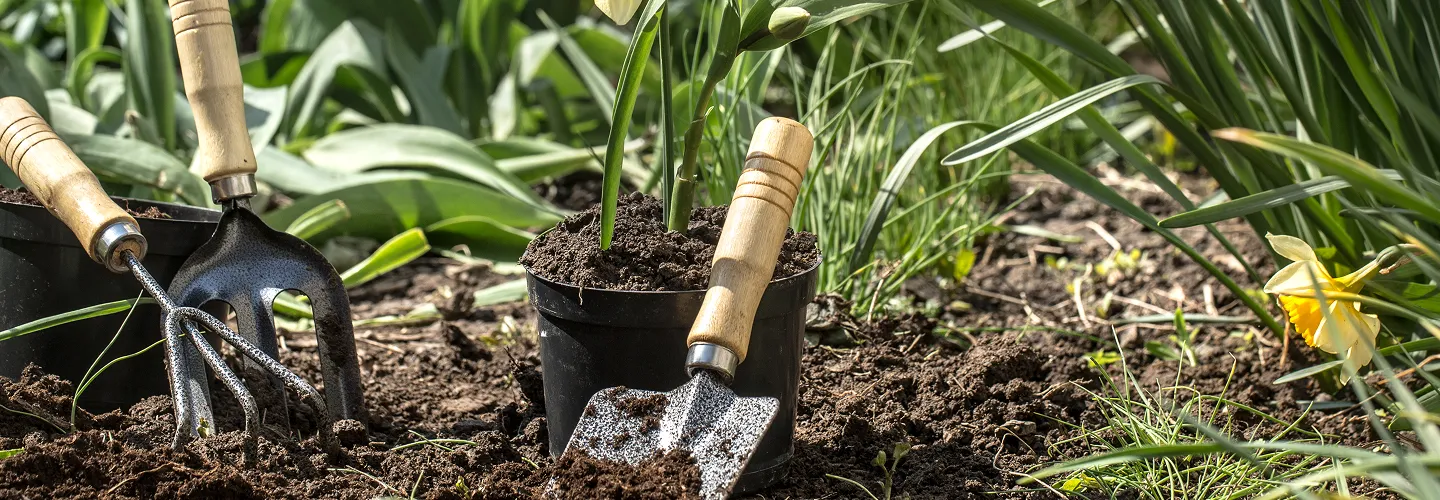
North Scottsdale Flower Planting Services
Choose our flower planting services for vibrant, expertly arranged blooms that thrive in North Scottsdale’s unique climate—bringing lasting beauty and curb appeal to your home.
Get a Free QuoteOur North Scottsdale Landscaping & Yard Care Services
When to Schedule Flower Planting in North Scottsdale, Arizona – Seasonal Guide
Flower planting in North Scottsdale, Arizona, requires careful timing to ensure vibrant, long-lasting blooms. The region’s unique Sonoran Desert climate—with its hot summers, mild winters, and low humidity—means that the best planting windows are typically in early spring (late February to early April) and again in the fall (late September to early November). Planting during these periods allows flowers to establish strong root systems before the intense summer heat or occasional winter frosts arrive.
Local neighborhoods such as DC Ranch, Troon North, and the areas surrounding Pinnacle Peak often experience microclimates influenced by elevation, shade from mature desert trees, and proximity to natural washes. Homeowners should consider factors like average last frost dates, which usually fall in early February, and the risk of drought, which can be higher in open, sun-exposed lots. Soil in North Scottsdale tends to be sandy and alkaline, requiring amendments for optimal flower growth. For more detailed local planting guidelines, consult resources like the Sudbury town website.
Local Factors to Consider for Flower Planting in North Scottsdale
- Tree density and available shade coverage
- Soil composition and drainage (sandy, alkaline soils are common)
- Proximity to natural washes or arroyos
- Neighborhood-specific microclimates (e.g., elevation in Troon North)
- Annual precipitation patterns and drought risk
- Municipal watering restrictions and HOA guidelines
- Exposure to wind and sun, especially in open desert lots
Benefits of Flower Planting in North Scottsdale
Expert Local Plant Selection
Enhanced Curb Appeal
Drought-Resistant Landscaping
Seasonal Color Variety
Professional Installation Services
Low-Maintenance Garden Solutions
North Scottsdale Flower Planting Types

Annual Flower Planting
-
Perennial Flower Beds
-
Drought-Tolerant Flower Gardens
-
Seasonal Color Rotations
-
Native Wildflower Planting
-
Pollinator-Friendly Flower Beds
-
Container Flower Arrangements
Our Flower Planting Process
Site Evaluation
Soil Preparation
Plant Selection
Careful Planting
Watering and Mulching
Why Choose North Scottsdale Landscape Services
-
North Scottsdale Homeowners Trust Us
-
Expert Lawn Maintenance
-
Reliable Irrigation Solutions
-
Comprehensive Weed Control
-
Competitive Pricing
-
Professional Team
-
Satisfaction Guarantee
Coordinating Flower Planting Projects with North Scottsdale's Municipal Programs
Flower planting in North Scottsdale requires coordination with city departments that oversee landscaping standards, water conservation, and environmental compliance. The City of Scottsdale maintains sustainability and conservation programs that directly affect how residential and commercial flower installations are planned, particularly in areas adjacent to desert preserves, washes, and public rights-of-way. Property owners and managers should verify whether proposed planting areas fall within environmentally sensitive overlay zones or design-review districts before beginning work. The Scottsdale Parks & Recreation Department can provide guidance on public landscape expectations and species suitability for parkway-adjacent properties. For projects near drainage corridors or retention basins, coordination with the city's environmental programs helps ensure plantings do not obstruct stormwater flow or introduce invasive species.
Scottsdale Parks & Recreation Department
Official Website: Scottsdale Parks & Recreation Department
Key coordination steps include:
- Confirming whether the planting site falls within a Scottsdale Environmentally Sensitive Lands Overlay zone
- Reviewing HOA architectural guidelines that may restrict flower species, bed dimensions, or irrigation methods
- Consulting the Scottsdale Water Department regarding current water-use stages and irrigation allowances
How North Scottsdale's Desert Soils and Heat Affect Flower Planting Success
North Scottsdale sits within the Phoenix metro low-desert region, classified primarily in USDA Hardiness Zone 9b to 10a. This classification shapes every aspect of flower selection and establishment. The area's soils are predominantly alkaline, often consisting of decomposed granite, rocky desert fill, and caliche layers that can appear within inches of the surface. Caliche restricts root penetration and drainage, requiring mechanical breaking or raised-bed construction for successful flower establishment. Soil pH commonly ranges above 7.5, which limits nutrient availability for iron-dependent flowering species unless amendments are applied.
Additional site conditions that influence flower planting in North Scottsdale include:
- Extreme summer heat: Surface temperatures on south- and west-facing exposures can exceed 150°F, causing rapid transplant failure without shade protection or timing adjustments
- Reflected heat: Stucco walls, concrete driveways, and decorative rock amplify radiant heat stress on adjacent flower beds
- Monsoon runoff: Intense July through September storms generate rapid sheet flow that can wash out newly planted beds, erode mulch, and deposit sediment into drip emitter zones
- Irrigation dependence: Virtually all flower plantings in North Scottsdale require drip irrigation; reliance on rainfall alone is insufficient for establishment or sustained bloom cycles
- Salt accumulation: Irrigation water in the greater Phoenix area carries dissolved salts that concentrate in the root zone over time, stressing salt-sensitive annuals and perennials
Navigating North Scottsdale's Zoning and Environmental Rules for Flower Planting
Flower planting projects in North Scottsdale may intersect with several regulatory frameworks depending on the property's location, zoning designation, and proximity to natural features. The City of Scottsdale enforces landscaping standards through its Design Standards & Policies Manual, which establishes requirements for plant materials, irrigation efficiency, and site design in development and redevelopment contexts. Properties within the Environmentally Sensitive Lands Overlay may face additional restrictions on grading, vegetation disturbance, and the introduction of non-native species.
Scottsdale Planning & Development
Official Website: Scottsdale Planning & Development
Relevant compliance considerations include:
- Flower plantings that alter grading or drainage patterns near washes may trigger review under the city's stormwater management requirements, consistent with Arizona DEQ stormwater guidance
- The Arizona Department of Agriculture maintains a noxious weed list; introducing listed species—even ornamentally—may violate state regulations
- Pesticide or fertilizer applications associated with flower bed preparation must comply with Arizona's certified applicator requirements under Arizona Revised Statutes Title 3
- The Arizona Department of Water Resources provides landscaping conservation guidance relevant to irrigation design for new flower installations
Scottsdale Environmental Initiatives & Sustainability Compliance
Official Website: Scottsdale Environmental Initiatives & Sustainability Compliance
Timing and Methods for Flower Planting in North Scottsdale's Climate
Professional flower planting in North Scottsdale follows two primary installation windows dictated by the region's temperature extremes. The fall window, typically mid-October through late November, allows cool-season annuals such as petunias, pansies, snapdragons, and stock to establish root systems before winter lows. The spring window, generally late February through mid-March, targets warm-season and desert-adapted species including vinca, lantana, desert marigold, and angelita daisy before sustained triple-digit heat arrives.
Standard professional methods for North Scottsdale flower planting include:
- Soil preparation: Amending native alkaline soil with sulfur, comite, or organic matter to improve drainage and lower pH in the root zone; breaking through caliche where present
- Emitter placement: Installing drip emitters at each plant location with output matched to species water demand, avoiding overhead spray that promotes foliar disease and water waste
- Mulch application: Applying two to three inches of organic or decorite mulch to moderate soil temperature, reduce evaporation, and suppress weed germination around new plantings
- Hydrozoning: Grouping flowers by water requirement to prevent overwatering drought-tolerant species or underwatering thirstier selections
- Monsoon protection: Securing mulch and newly planted beds against washout by using rock borders, berms, or check dams on sloped sites
Transplanting should occur during early morning or late afternoon hours to reduce heat shock. Irrigation frequency during the first two weeks of establishment is typically higher than long-term maintenance rates and should be adjusted based on current temperatures and wind exposure.
What Neighborhoods Do We Serve Throughout North Scottsdale, AZ?
- DC Ranch: Large custom lots with extensive desert landscaping and HOA-managed common areas where flower planting must align with community design guidelines and desert-palette requirements.
- Grayhawk: Master-planned community with irrigated common areas and individual lots where flower bed installations benefit from established drip infrastructure and moderate lot sizes.
- Troon North: Properties situated on sloped terrain near the McDowell Sonoran Preserve, where flower planting requires attention to drainage, erosion control, and desert-sensitive species selection.
- Pinnacle Peak Estates: Larger acreage parcels with varied sun exposure and potential caliche challenges that influence bed preparation depth and irrigation layout.
- Scottsdale Mountain: Hillside lots with significant grade changes and reflected heat from rock outcroppings, requiring careful species placement and supplemental irrigation planning.
- Desert Highlands: Golf-course-adjacent properties where flower planting must account for HOA aesthetic standards, wash proximity, and coordinated irrigation scheduling.