
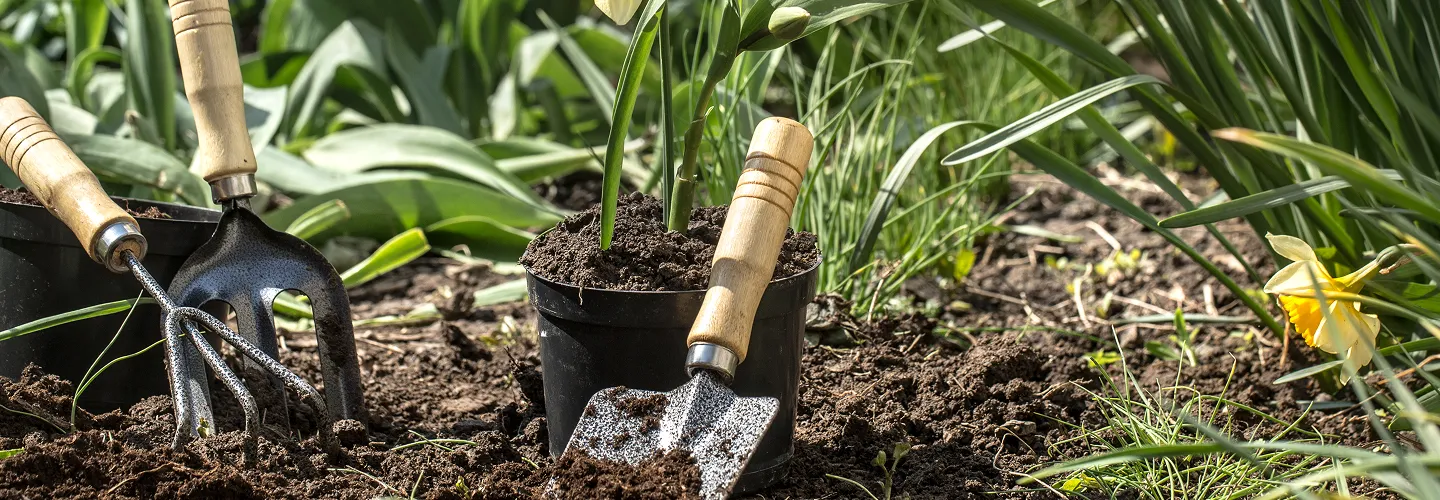
North Scottsdale Weeding Services
Choose our professional weeding services for reliable, thorough, and eco-friendly weed control that keeps your yard healthy and beautiful all year long.
Get a Free QuoteOur North Scottsdale Landscaping & Yard Care Services
When to Schedule Weeding in North Scottsdale, Arizona – Seasonal Guide
In North Scottsdale, Arizona, the timing of weeding is crucial for maintaining healthy, attractive landscapes. The region’s unique Sonoran Desert climate—with its hot summers, mild winters, and monsoon season—means that weed growth patterns differ from other parts of the country. Typically, the best times to schedule weeding are in early spring (February to April) and late summer to early fall (September to October), when soil moisture and temperatures are optimal for both weed removal and landscape recovery.
Local environmental factors play a significant role in determining the ideal weeding schedule. For example, neighborhoods near Pinnacle Peak or the McDowell Sonoran Preserve often experience microclimates with varying shade coverage and soil types, impacting weed emergence. Areas with higher tree density, such as those around DC Ranch, may see more persistent weed growth due to increased organic matter and shade. Additionally, North Scottsdale’s risk of drought and the timing of the first frost—usually in late November—should be considered to avoid stressing desirable plants. For more information on local environmental guidelines, visit the Sudbury municipal resource.
Local Factors to Consider for Weeding in North Scottsdale
- Tree density and shade coverage (e.g., DC Ranch, Troon North)
- Soil type and drainage, especially in foothill areas
- Seasonal precipitation and monsoon timing
- Drought risk and water restrictions
- Proximity to natural preserves or open desert
- Municipal regulations on herbicide use and landscape maintenance
Benefits of Weeding in North Scottsdale
Enhanced Curb Appeal
Healthier Plant Growth
Reduced Pest Infestation
Improved Soil Quality
Professional and Reliable Service
Time and Effort Savings
North Scottsdale Weeding Types

Hand Weeding
-
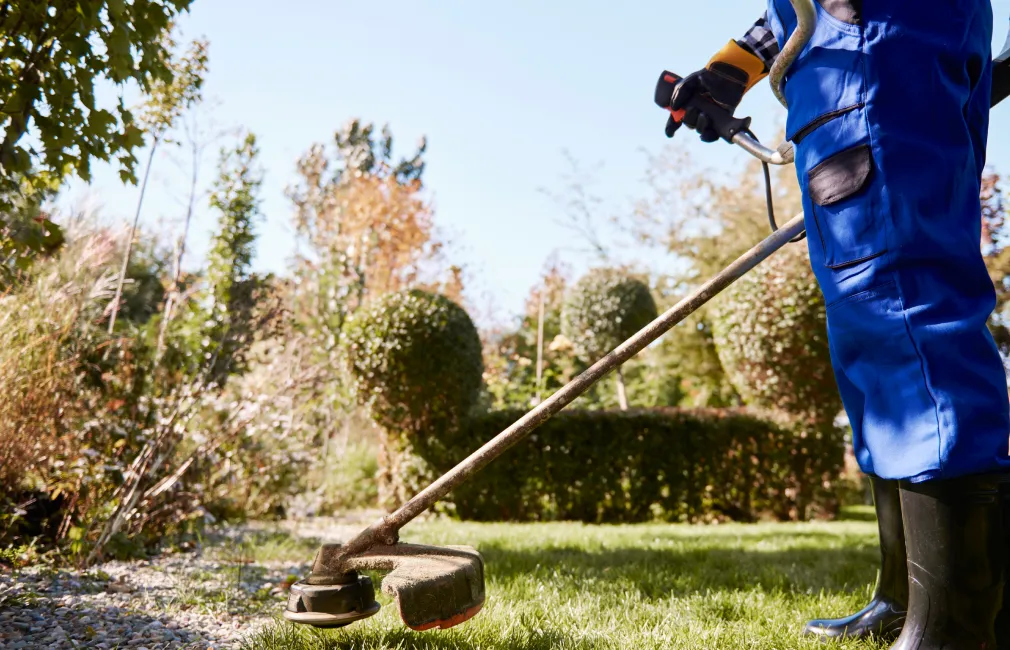
Mechanical Weeding
-
Pre-Emergent Weed Control
-
Post-Emergent Weed Control
-
Mulching for Weed Suppression
-
Organic Weed Removal
-
Selective Herbicide Application
Our Weeding Process
Site Evaluation
Weed Identification
Targeted Removal
Soil Treatment
Final Inspection
Why Choose North Scottsdale Landscape Services
-
North Scottsdale Homeowners Trust Us
-
Expert Lawn Maintenance
-
Reliable Irrigation Solutions
-
Comprehensive Weed Control
-
Competitive Pricing
-
Professional Team
-
Satisfaction Guarantee
Coordinating Weeding Services with North Scottsdale's Municipal Environmental Programs
Weeding in North Scottsdale requires awareness of the city's environmental compliance framework, particularly regarding stormwater protection and green waste handling. The City of Scottsdale maintains sustainability and environmental programs that address how landscape maintenance activities—including weed removal and herbicide application—interact with the municipal separate storm sewer system (MS4). Property owners and managers should ensure that pulled weeds, soil debris, and any chemical residues do not enter curb inlets, retention basins, or natural washes that drain through North Scottsdale's desert corridors. Green waste generated from weeding should be disposed of through approved channels; residents should verify current curbside organic collection schedules or transfer station acceptance policies directly with the city rather than depositing material in washes or drainage easements.
Scottsdale Environmental Initiatives & Sustainability Compliance
7447 E Indian School Rd, Scottsdale, AZ 85251
Official Website: Scottsdale Environmental Initiatives & Sustainability Compliance
- Confirm green waste disposal procedures before hauling large volumes of pulled weeds
- Keep weed debris, soil, and sediment away from storm drain inlets and wash channels
- Coordinate with the city if weeding occurs along public rights-of-way or near retention basins
- Review stormwater best management practices outlined through Arizona DEQ's MS4 program
How North Scottsdale's Desert Soils and Monsoon Cycles Affect Weeding
North Scottsdale falls within USDA Hardiness Zone 9b/10a and sits in the Phoenix metro low-desert region, where extreme summer heat, alkaline soils, and monsoon moisture create distinct weeding challenges. The predominant soil profiles in this area include decomposed granite, caliche layers at varying depths, and alkaline sandy loam—conditions that influence how weeds establish and how effectively they can be removed by hand or mechanical means. Caliche restricts root penetration for desirable plants but does not deter shallow-rooted annual weeds, which exploit surface moisture around drip emitters and decorative rock mulch.
- Monsoon weed flushes: Summer storms between July and September trigger rapid germination of species such as spurge, puncturevine, and carpetweed within days of rainfall
- Drip-line weed pressure: Emitter zones in xeriscape beds concentrate moisture, creating ideal germination sites for annual and perennial weeds
- Reflected heat: Walls, pavement, and decorative rock surfaces radiate heat that can stress desirable plantings while favoring heat-tolerant invasive species
- Alkaline soil pH: Soils commonly range above pH 7.5, which can limit nutrient availability for landscape plants and shift competitive advantage toward adapted weed species
The USDA Web Soil Survey provides site-specific soil data that can help property managers understand subsurface conditions affecting weed establishment on individual parcels.
Navigating North Scottsdale's Regulatory Requirements for Weed Control Applications
Any person or company applying herbicides commercially in North Scottsdale must hold appropriate licensure through the Arizona Department of Agriculture – Office of Pest Management. Arizona Revised Statutes Title 3 governs pesticide use, applicator certification, and recordkeeping requirements statewide. Property owners applying herbicides on their own residential property are generally exempt from commercial licensing but remain responsible for preventing drift and runoff into neighboring properties, washes, and storm drainage infrastructure.
- Pre-emergent and post-emergent herbicides must be applied in accordance with label directions, which carry the force of federal and state law
- The Arizona Department of Agriculture's noxious weed program identifies regulated species that may require specific control measures
- Scottsdale's zoning codes may address property maintenance standards, including weed abatement on vacant or neglected parcels; verify current requirements through the city's code compliance process
- Stormwater regulations under the Clean Water Act prohibit discharge of pollutants—including herbicide-laden runoff—into waters of the United States
Scottsdale Zoning Codes & Ordinances
7447 E Indian School Rd, Scottsdale, AZ 85251
Official Website: Scottsdale Zoning Codes & Ordinances
Timing and Methods for Professional Weeding in North Scottsdale's Climate
Effective weeding in North Scottsdale depends on aligning removal methods and chemical applications with the region's seasonal cycles. Pre-emergent herbicides are most effective when applied before soil temperatures consistently reach germination thresholds—typically in late January through early February for winter-spring annual weeds, and again in late April through May ahead of summer annuals. Post-monsoon hand weeding should occur before seed set to interrupt reproductive cycles and reduce the following season's weed bank.
- Hand removal: Most appropriate around drip emitters, in decorative rock beds, and near sensitive plantings where chemical drift poses risk; remove the entire root system when soil moisture permits extraction
- Mechanical cultivation: Suitable for open gravel areas and vacant lots but should be avoided near established root zones of desert-adapted trees and shrubs
- Chemical control: Pre-emergent granular products require irrigation or rainfall activation; post-emergent spot treatments should be applied during calm conditions to prevent drift toward washes or neighboring landscapes
- Integrated approach: Combining physical removal with targeted pre-emergent barriers and proper mulch depth reduces long-term weed pressure more sustainably than any single method alone
The Arizona Department of Water Resources encourages landscape practices that minimize water waste, and efficient irrigation management directly reduces weed germination in non-target areas.
Scottsdale Water Department
9388 E San Salvador Dr, Scottsdale, AZ 85258
Official Website: Scottsdale Water Department
What Neighborhoods Do We Serve Throughout North Scottsdale, AZ?
- DC Ranch: Large custom lots with extensive xeriscape beds and decomposed granite ground cover create persistent drip-line weed pressure requiring regular hand weeding and pre-emergent applications around emitter zones.
- Grayhawk: Common-area turf and individual lot desert landscaping both generate weeding demands, particularly along community pathways and retention basin edges following monsoon rains.
- Troon North: Elevated terrain and rocky desert soils near the McDowell Sonoran Preserve produce slope-driven runoff that concentrates weed germination in low-lying landscape pockets.
- Pinnacle Peak Estates: Larger acreage parcels with native desert vegetation require careful weed management to prevent invasive species from displacing protected native plants near wash corridors.
- McDowell Mountain Ranch: Mixed-use landscaping with both turf and xeriscape areas demands coordinated weeding schedules that account for irrigation differences between hydrozones.
- Ancala: Mature desert landscaping on established lots often harbors deep-rooted perennial weeds that require persistent removal strategies beyond single-pass hand pulling.